Pages

Subscribe:

Ads 468x60px

Showing posts with label How to grow stevia. Show all posts

Friday, July 6, 2012

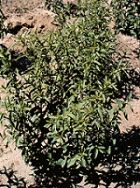
How to grow stevia at home


Picture: sugarfreestevia.net

Growing of Stevia plants is not an easy task. But once you get your stevia started, it's one of the simplest herbs to grow. It has a reputation for repelling insects, which is great for your organic garden.

If you are growing stevia for the first time keep in mind that it does well in containers. If you are planning to grow it inside, surface sow seed 8 weeks before the last frost date.
Ensure that the last frost is past and soil temperatures are in the 60 degree F range before planting your stevia in the ground. Stevia plants pout in cold soil.
Stevia needs sandy loam or rich loamy soil. It also needs full sun.

Buy starter plants

It would be difficult, at best, to start a stevia patch from scratch — that is, by planting seeds. Even if you could get them to germinate, results might well prove disappointing, since stevioside levels can vary greatly in plants grown from seed. The recommended method is rather to buy garden-ready ‘starter’ plants, which given stevia’s ‘growing’ popularity, may well be obtainable from a nursery or herbalist in your area. Prepare beds by digging deeply in well-drained soil. Add a lot of compost or manure, and a handful of complete organic fertilizer for each plant.

Friday, March 30, 2012

Bigger and Better Stevia plants

Picture: Zacks.com
S&W Seed (SANW) has been working with Dr. Clinton Shock for a number of years. Dr Shock, whilst in the Peace Corp. in Paraguay, developed an interest in stevia and collected many samples of stevia plants and seeds from remote villages. Many of these are atypical examples of wild stevia, and they have been made available to S&W Seed. Some of these samples have been crossed with each other and seeds grown and tested for glycoside types and concentrations. In the photo below Dr. Shock is standing behind some of the plants that are substantially bigger than the plants sourced from China (as seen in the background) The monster plants are at least waist high whereas the others are knee high.

Wednesday, January 25, 2012

How to grow stevia part 5: Growing Stevia Without Land

Picture: Backyardfarming.blogspot.com
Just because you live within the confines of an apartment or condominium doesn’t mean you can’t enjoy the benefits of stevia farming. This versatile plant can be grown either in pots on your balcony or any sunny spot, or else in a hydroponic unit. Stevia plants also do quite well in “container gardens.” A 10″ to 12″ diameter container filled with a lightweight growing mix is an ideal size for each plant. 
A little mulch on the top will help retain the moisture in the shallow root zone. A properly fertilized hydroponic unit or container garden can provide you with as much stevia as an outdoor garden, if not more.


Story: Stevianet

How to grow stevia part 4: Gathering Autumn Stevia Leaves


picture: naturalherbalextracts.com

Harvesting should be done as late as possible, since cool autumn temperatures and shorter days tend to intensify the sweetness of the plants as they evolve into a reproductive state. While exposure to frost is still to be avoided, covering the plants during an early frost can give you the benefit of another few weeks’ growth and more sweetness.
When the time does come to harvest your stevia, the easiest technique is to cut the branches off with pruning shears before stripping the leaves. As an extra bonus, you might also want to clip off the very tips of the stems and add them to your harvest, as they are apt to contain as much stevioside as do the leaves.

How to grow stevia part 3: The Care and Feeding of Stevia


Picture: Madeinchina.com

Stevia plants do best in a rich, loamy soil — the same kind in which common garden-variety plants thrive. Since the feeder roots tend to be quite near the surface, it is a good idea to add compost for extra nutrients if the soil in your area is sandy.
Besides being sensitive to cold during their developmental stage, the roots can also be adversely affected by excessive levels of moisture. So take care not to overwater them and to make sure the soil in which they are planted drains easily and isn’t soggy or subject to flooding or puddling.

How to grow stevia part 2: How to Start Your Own Stevia Patch


Picture: stevia.net

It would be difficult, at best, to start a stevia patch from scratch — that is, by planting seeds. Even if you could get them to germinate, results might well prove disappointing, since stevioside levels can vary greatly in plants grown from seed.
The recommended method is rather to buy garden-ready ‘starter’ plants, which given stevia’s ‘growing’ popularity, may well be obtainable from a nursery or herbalist in your area — provided you’re willing to scout around a bit. If you’re not, or are unsuccessful in locating any, there are at least three growers of high-quality stevia who will ship you as many baby plants as you’d like.

Labels